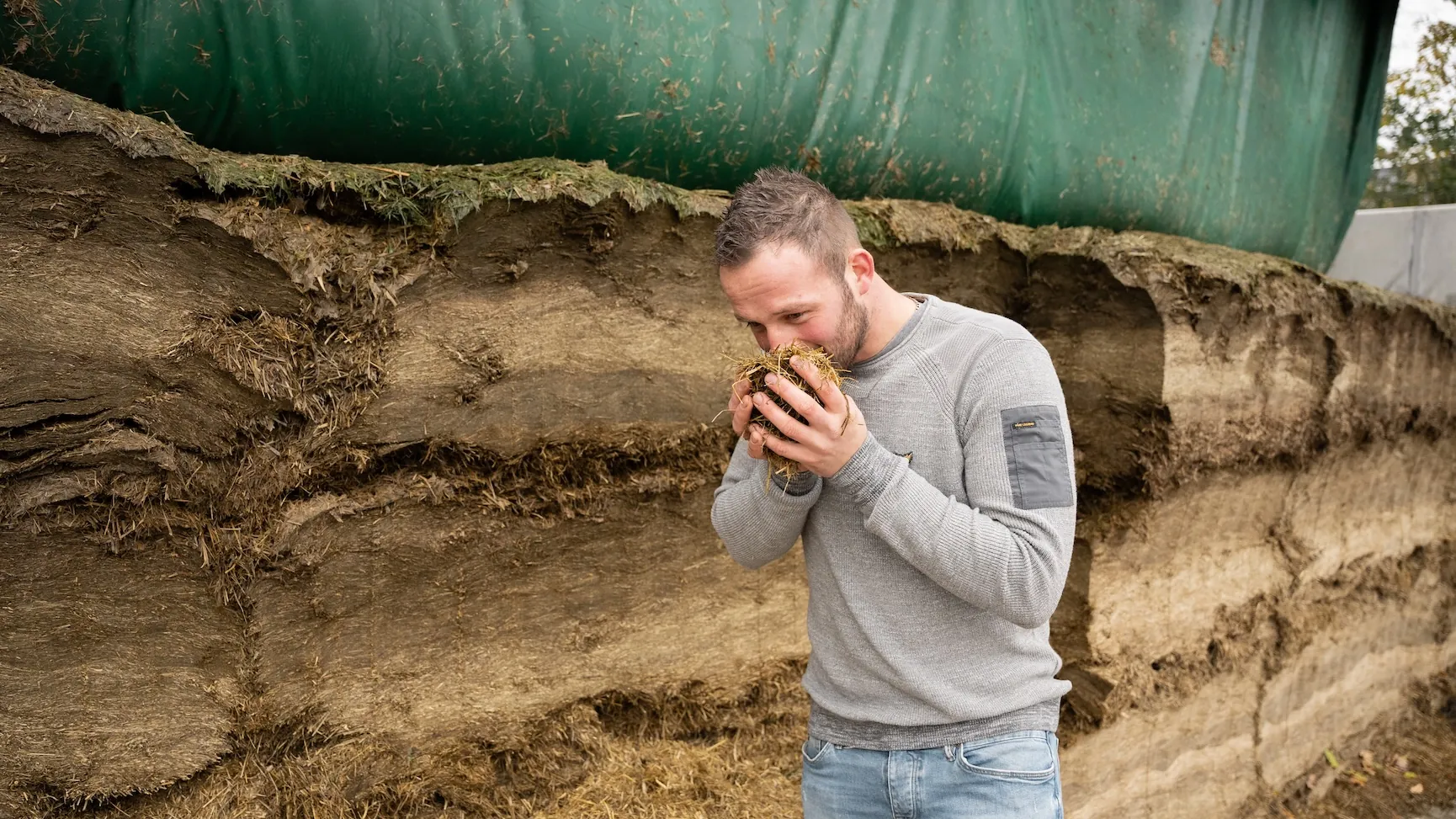

Taking a silage sample: this is how you know what you’re feeding
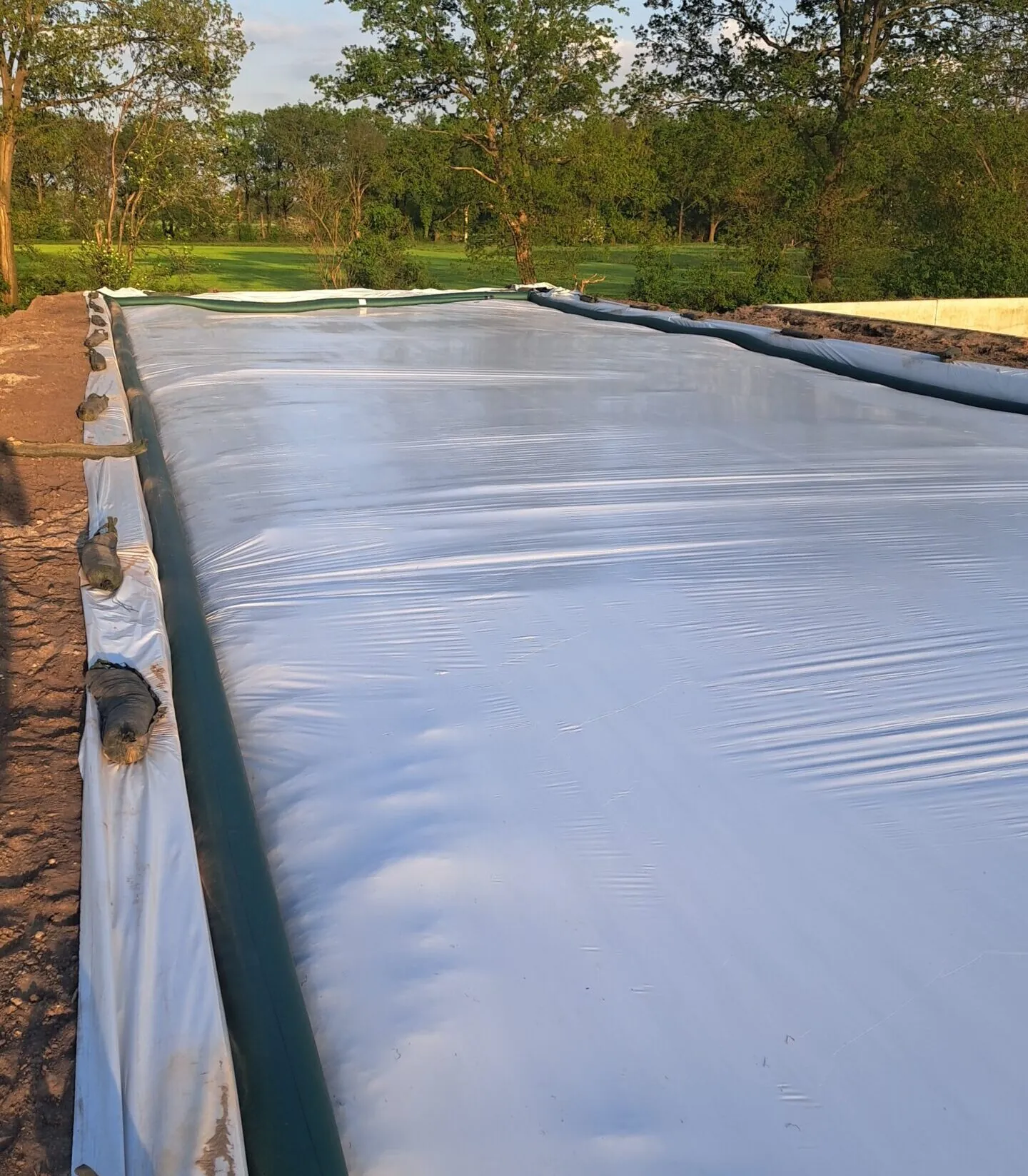
The first cut is in the clamp and the cover sheet is on. But what’s actually in there? And are you feeding your cows what you intend to? A silage analysis gives you the clarity you need. With Agridek’s sample cap, you can do it quickly, without having to remove the sheet.
A silage analysis tells you what your ration is really worth
Forage quality is never the same. The cutting date, the weather, the fertilisation — they all influence what ends up in the clamp. A silage analysis shows you the energy value (VEM), protein content and dry matter percentage. In black and white.
And then you can act. If the VEM comes out lower than expected, you know to cut the second cut earlier. If the protein content is high, it pays to wait a little longer. That way you make targeted adjustments — in fertilisation, cutting date or ration — instead of compensating afterwards with by-products.
The result shows up directly in the barn: more consistent feed means fewer fluctuations in milk production and less need to adjust the ration.
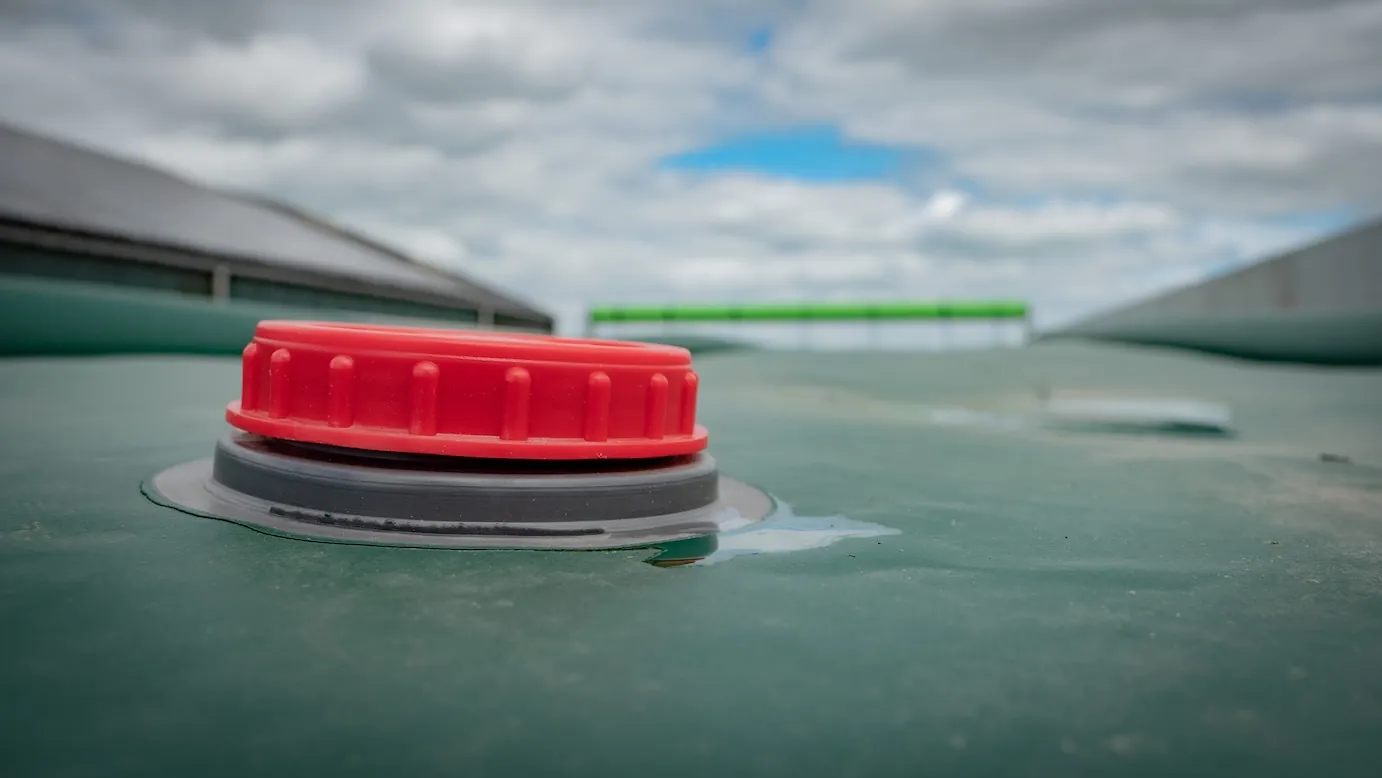
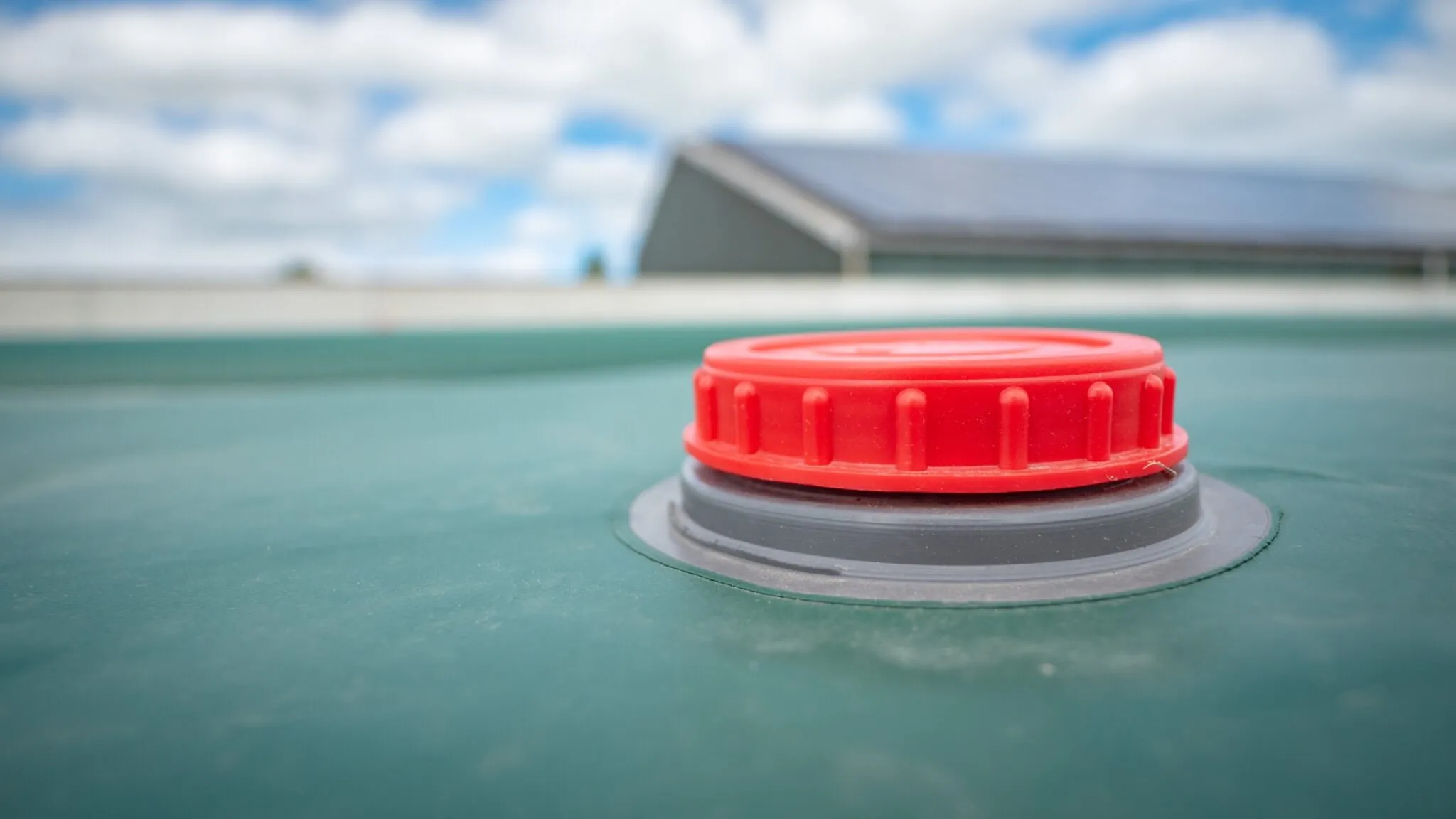
The sample cap: sheet stays closed, sample taken
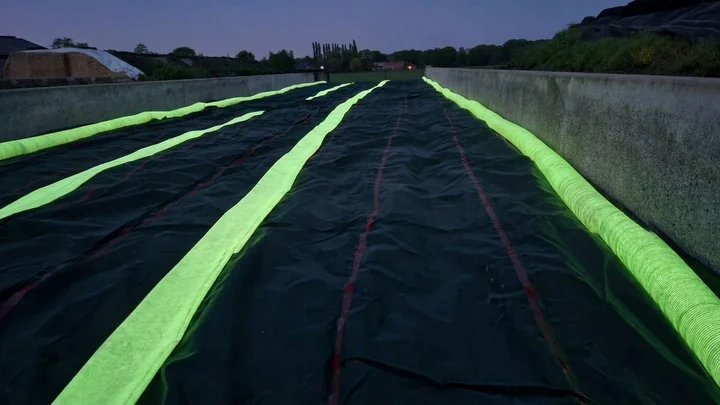
Multiple sample caps can be fitted in the Agridek cover sheet, usually three, spread diagonally across the length and width of the clamp. More caps are possible if needed. You unscrew the cap, take your sample through the opening and screw it back on. The sheet stays completely closed; there’s no rolling or lifting required.
When taking a silage sample, you want to let in as little air as possible. The shorter the sheet is open, the lower the risk of heating around the sampling point. The sample cap lets you work quickly and precisely without disturbing the cover, keeping the quality of your forage better preserved.
Lasagne clamp: one sample for the whole clamp
In a lasagne clamp, all cuts are spread in thin layers across the full silo. That has a handy advantage for sampling: a single sample already gives a representative picture of the total forage, because all layers are included. One analysis and you know what you’ll be feeding all season.
Curious what the Agridek covering system can do for your farm?
The sample cap is one of the details that makes working with forage easier. Get in touch and we’ll look at your situation together.