
Preventing heating in the clamp: what actually works
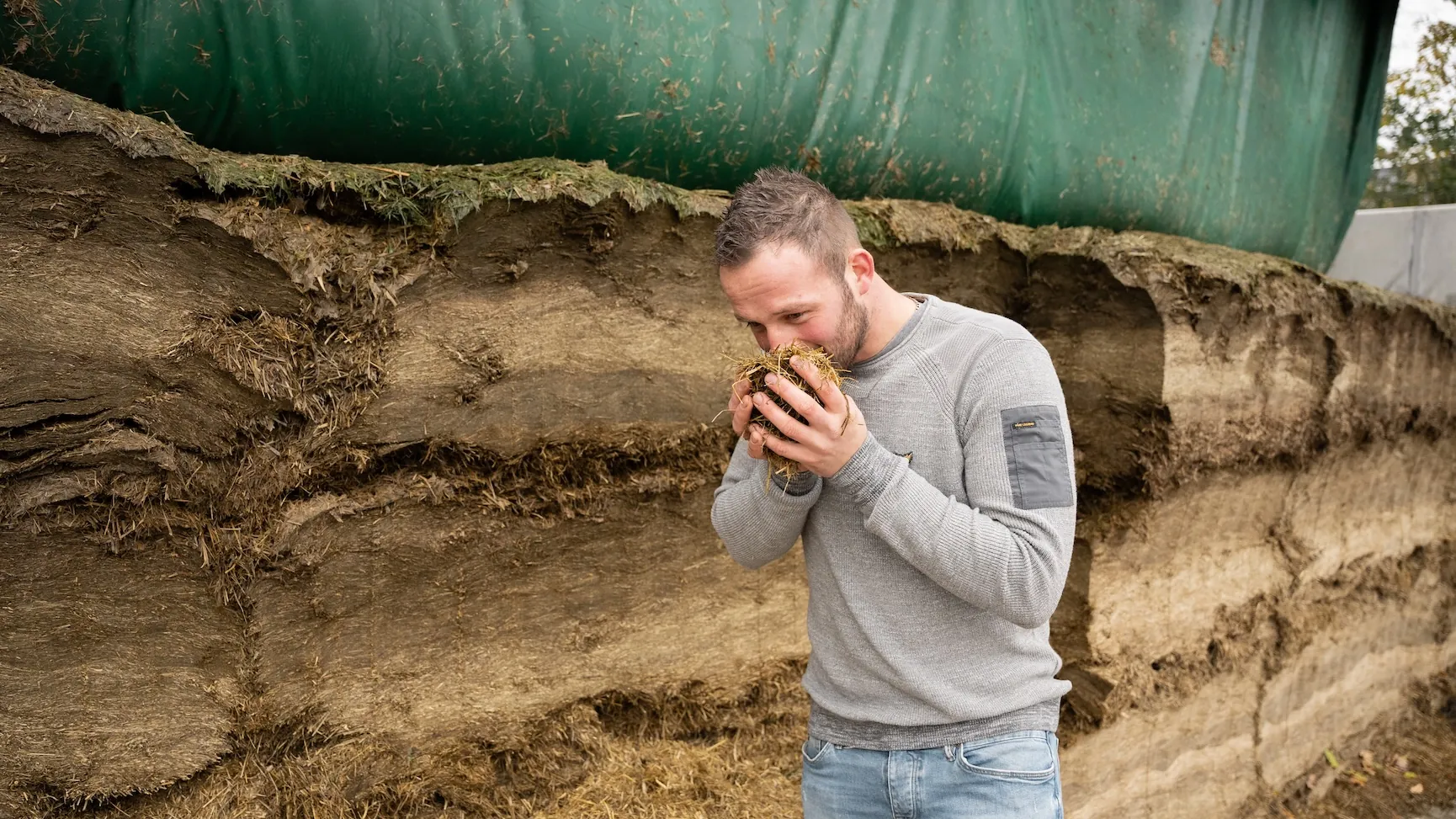
You notice it the moment you cut open the clamp. Warm, musty, loose. Heating. You already know: this is going to cost you milk production. And money. Heating in your clamp is frustrating, but it’s not random. It’s almost always preventable.
The three most common causes of heating in the clamp
- Moving through the clamp too slowly. The longer your cutting face stays open, the more oxygen gets in. For clamps with a low feeding speed, this is the biggest risk.
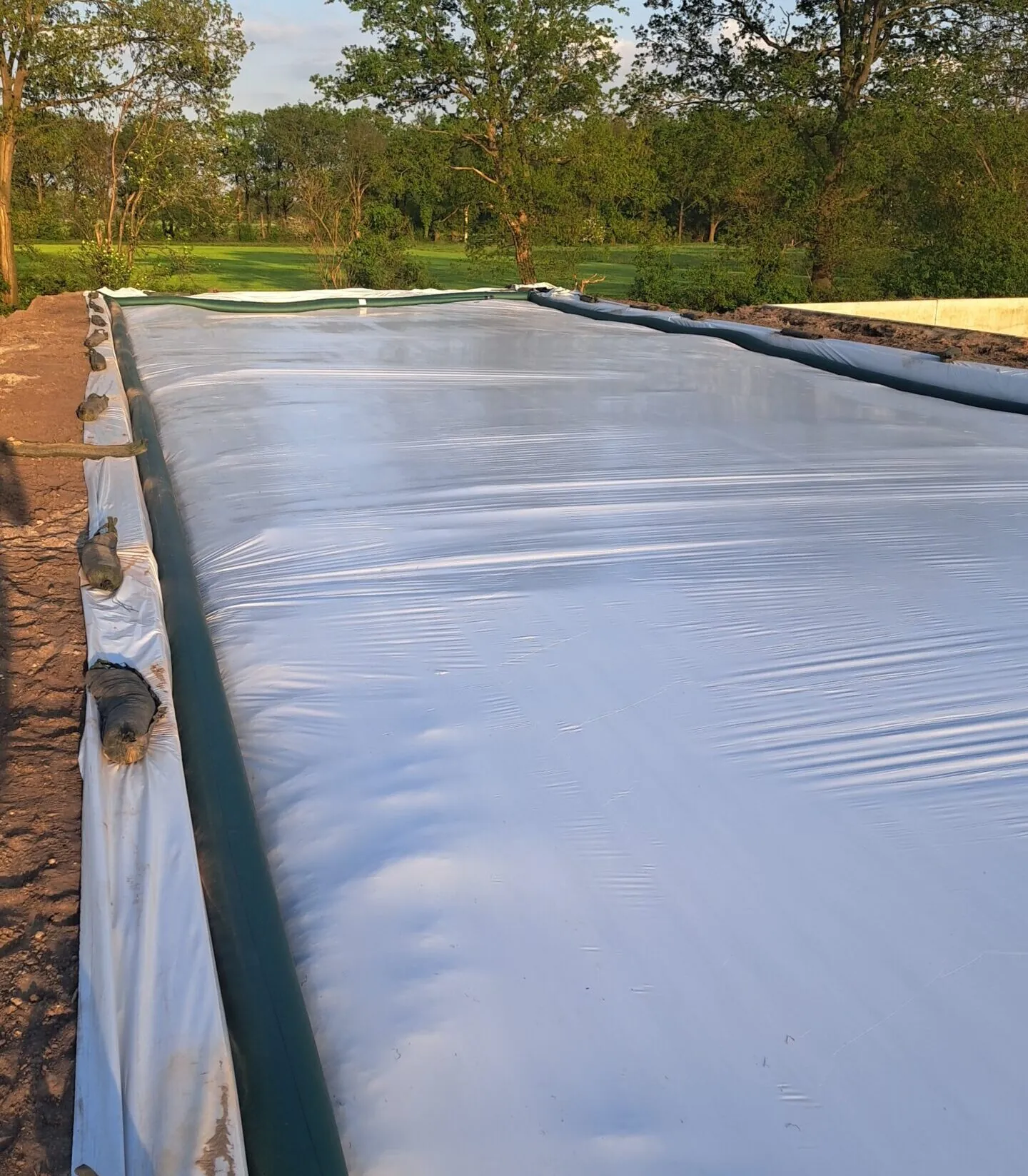
- Plastic that isn’t lying tight. A tear, a loose edge, too little weight on the cutting face — that’s enough. Air always finds a way.
- Opening the clamp in multiple places at the same time. Two or three open fronts simultaneously gives heating every opportunity. The more surface area, the greater the loss. The same applies if you ensile more than 50 cm above the silo walls: the sides can no longer be covered properly.
How to tackle heating in the clamp in practice
- Match your silo size to your feeding speed. Not the other way around. A clamp that is too short relative to the feeding weeks results in a feeding speed that is too low. Calculate this in advance.
- Keep one clean cutting face. Straight, even, across the full width. Don’t re-cut unless necessary. The cleaner the face, the less contact with air.
- Check your covering after bad weather. Wind and frost pull plastic loose. A fifteen-minute check after a storm can save you hundreds of euros.
- Ensile compactly. Good rolling is not a detail. The denser the clamp, the less oxygen there is to begin with.
Why the lasagne clamp structurally reduces heating
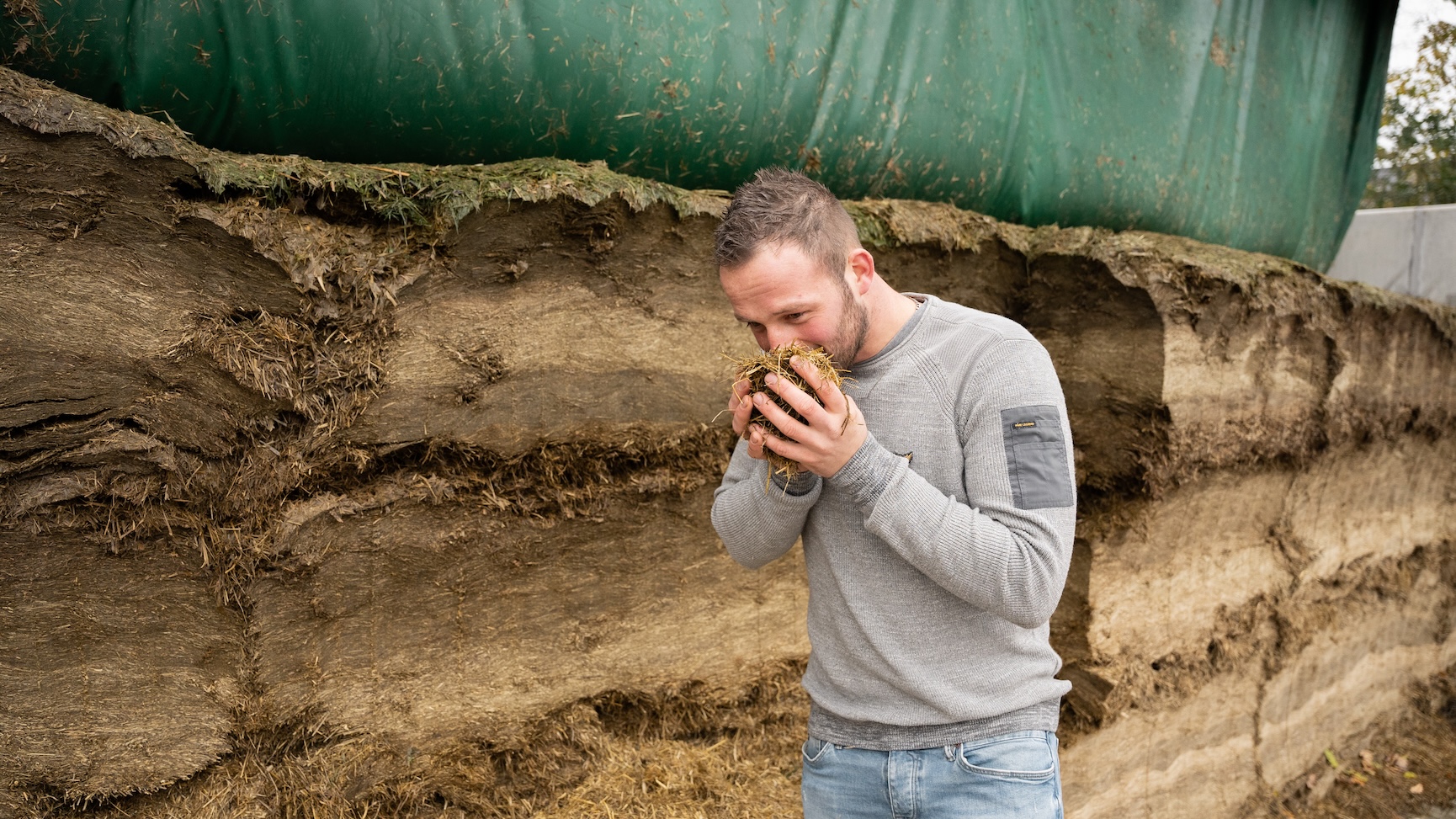
The steps above help, but they require attention and adjustment every time. The lasagne clamp addresses the root of the problem. Each cut is spread in thin layers across the full silo width. This creates a high clamp density and just one clear cutting face. Air barely gets a chance. Neither does heating.
The added benefit: you feed the same ration all year round. Energy, structure and protein are built into every layer. No shifts in the ration, no drop in milk production.
What our customers say
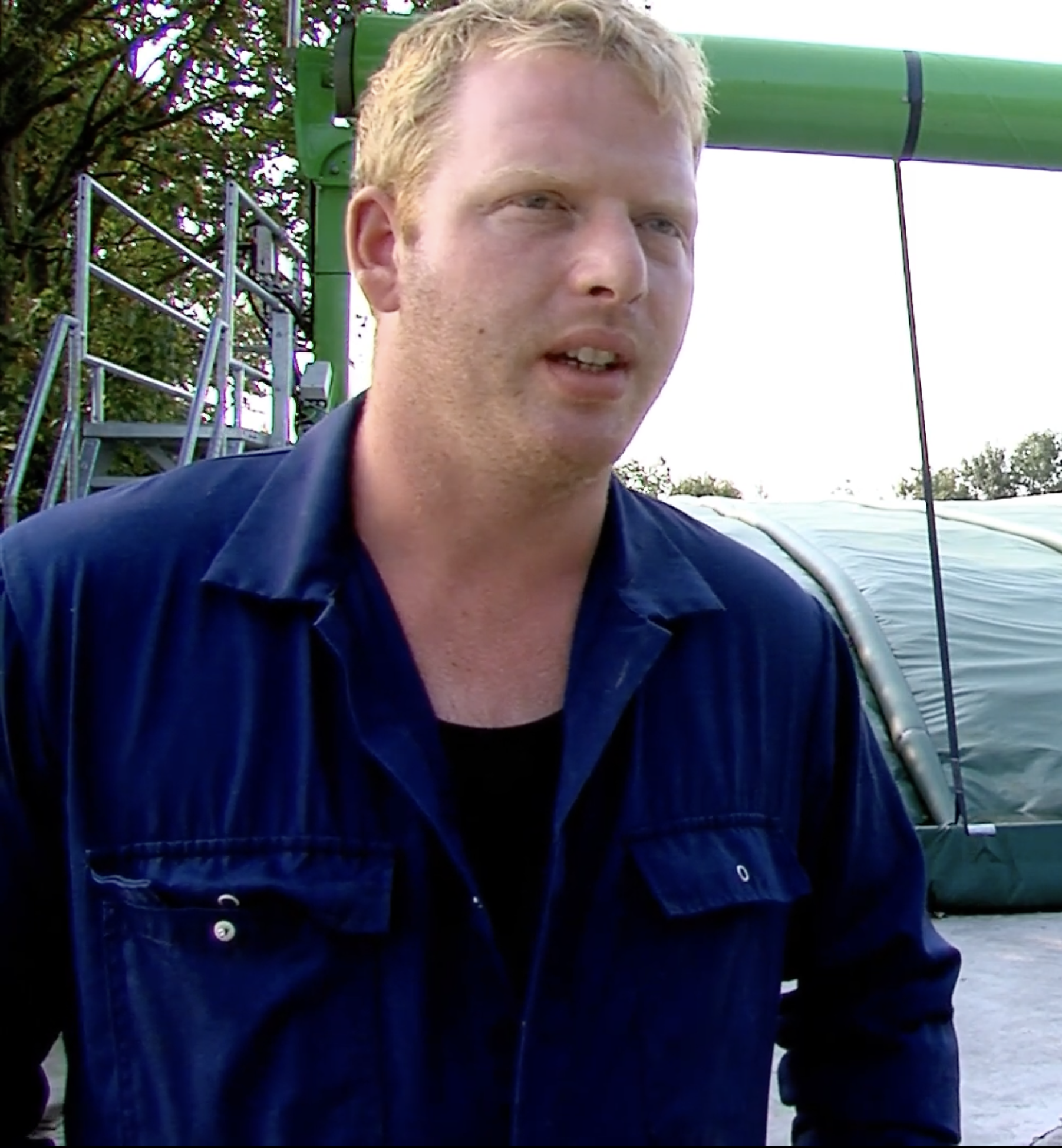
Working faster with fewer people thanks to a lasagna pit
We’ve been using the lasagna pit for ten years now, and the system fits perfectly with the way we farm. One person can handle the covering with ease — no tight planning needed. This keeps the quality consistent and lets us ensile small quantities whenever it suits us.
Stop accepting the same loss every year
Heating in the clamp is solvable. With the right silo size, a clean cutting face and good covering, you’re already well on your way. Want to tackle it structurally? Then the lasagne clamp is the logical next step.
Want to know what this means for your farm?
We’ll come to your farm and think along with you from the ground up.